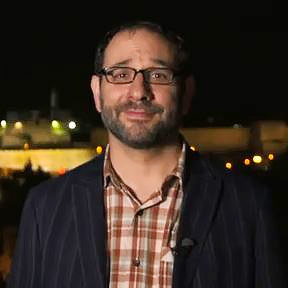
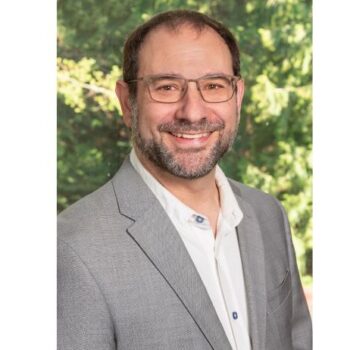
It was 1998, and I was working for Rabbi Alan Lew in San Francisco shortly before beginning rabbinical school. Congregation Beth Sholom, where he served, was an urban synagogue. This meant that an unusual coterie of individuals would knock on the doors seeking a meal, a conversation, or sometimes something more.

This week’s parshah, Emor, invites us to reflect on the power of sacred time and sacred action. When days blur together and we often rush from task to task, Emor reminds us that time is not just something we pass through — it’s something we can elevate.
The double Torah portion of Acharei Mot–Kedoshim offers one of the most profound—and countercultural—statements of moral purpose in Jewish tradition. Kedoshim tihyu, "You shall be holy," is not presented as a private aspiration but as a collective call to infuse daily life with sanctity. What follows are not primarily abstract mystical precepts or ritual instructions but rigorous interpersonal commandments: care for the poor, honesty in business, respect for elders, and just courts.

Judaism doesn’t just bless love—it blesses committed, ethical, sacred love. This week, take time to reflect on the relationships in your life—romantic, familial, communal. Consider how you might bring more intentionality to the way you show love, build trust, and uphold sacred commitments. Holiness isn’t only about what we avoid—it’s about what we build.
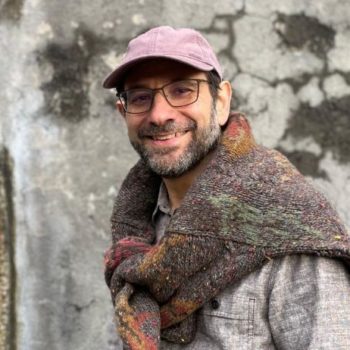
In Pirkei Avot, a book of maxims in the Mishnah, an ancient rabbi, Ben Bag-Bag said about Torah study, “Hafokh bah, va’Hafokh vah, d’khola bah.” Turn it over and over, for everything is in it. For two thousand years, that’s what Jews have done. Here is another turning.

What if we treated our words and our health as equally sacred? What if we offered gratitude not only for physical healing, but for the chance to speak kindly, to start fresh, to repair what was broken? In doing so, we echo both Birkat HaGomel and Baruch She’amar—giving thanks for survival, and honoring the creative holiness within every word.
In Pirkei Avot, a book of maxims in the Mishnah, an ancient rabbi, Ben Bag-Bag said about Torah study, “Hafokh bah, va’Hafokh vah, d’khola bah.” Turn it over and over, for everything is in it. For two thousand years, that’s what Jews have done. Here is another turning.