

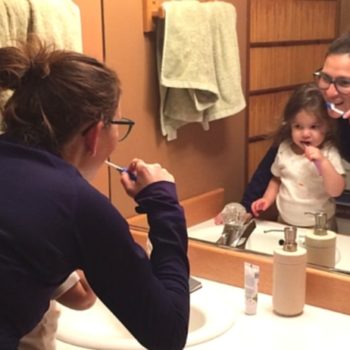
As a parent I am often reminded that there are always little eyes and ears watching and listening to my every move. Shiri wants to do everything we do, from my marching in place when I’m trying to get in a few extra steps for the day on my Fitbit, to eating the foods she sees us eating, to the way in which she models me on my phone.
Laughter really is the best medicine, and this too is Torah.

I remember when I learned that the Hebrew word for “enough” was “dy.” I was just a little kid in Hebrew class, and when you’re young, it’s a little jarring when your teacher says, “Die, die!” As I learned, she didn’t actually wish me ill, although if you knew me as a child, perhaps the sentiment was fairly close.
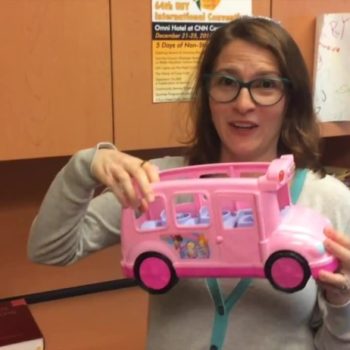
Ever said to your child that a certain toy needed to “go to sleep”? It’s a lie of self-preservation, and Abraham shows us this too is Torah.
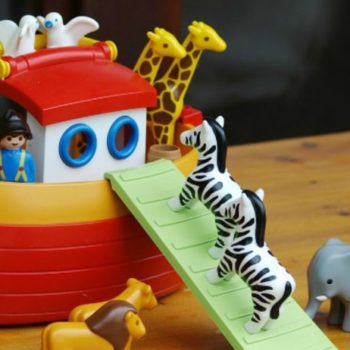
Now that Shiri is reaching the true height of toddlerhood, we have a whole new dynamic going on in our house. Shiri is Miss Independent and wants to do things all by herself. This initiative is often helpful. She now feeds the dog regularly, takes off her own coat, puts things in the garbage, and cleans up her toys.
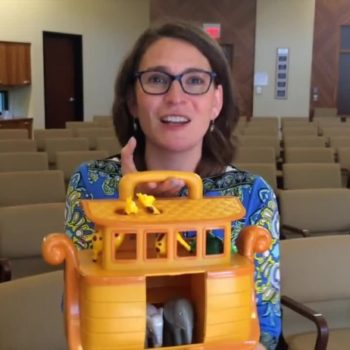
Let’s face it – parenting is a flood of emotions. Tantrums, tears, and timeouts? This too is Torah.
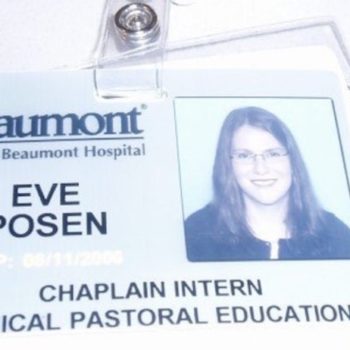
During rabbinical school I spent one summer doing a unit of clinical pastoral education at a hospital in Michigan. My reasoning for spending that time in a hospital setting was twofold. First, I needed to get over some of my fear of the hospital environment and learn how to bring the most comfort to the most vulnerable.