

A 2012 study by a Polish university asked marathon runners several months after a race to recall the pain they had experienced when actually running the race. On average, the level of pain they reported after the race dropped by about 40%, regardless of how long after the race they were polled.
Because let’s face it – Pharaoh was the temperamental toddler of the Torah, and God’s plagues represented the fed-up parent counting to ten.

We live in an age in which our differences are both praised and feared. We are raising our children to celebrate uniqueness of character, belief, and self expression. At the same time, we’re quick to make judgement calls and assume the worst.

We do everything in our power to give our children what they need, although most of us don’t face situations like Yocheved’s. This too is Torah.
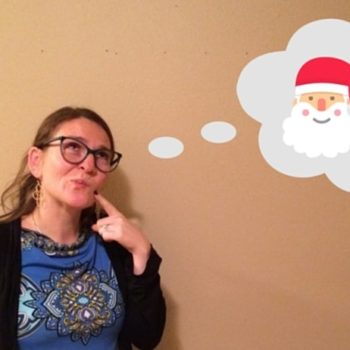
As a rabbi, I’m always studying religious customs and traditions – it comes with the job. And this time of year, it’s hard not to notice Christmas. It probably comes as no surprise that Santa Claus, Christmas trees, and bargains like “Happy Honda Days” weren’t part of the Christmas celebrations of two thousand years ago.

Parents, what’s your bedtime routine? A story, a song, a hug from a certain stuffed animal? This week the Torah teaches us the importance of closure.

Growing up watching the Tanner family on TV’s Full House, can you understand why I have mixed feelings about Netflix’s upcoming reboot of the series? Fuller House, which debuts February 26, follows the same format as the original, but with the kids now in the grown-up roles raising the next generation.